

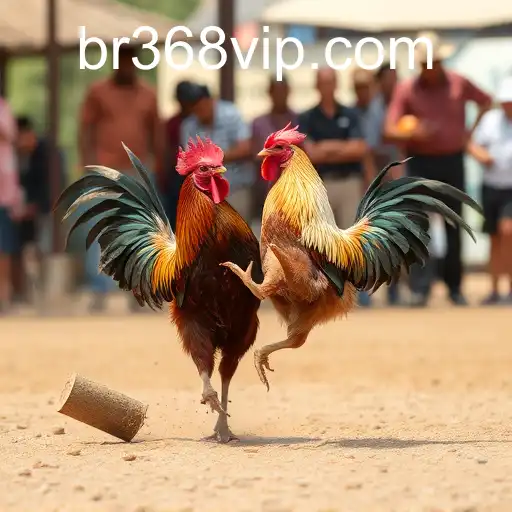
The Controversy and Culture of Rinha de Galos
Rinha de galos, or cockfighting, is a practice with deep historical roots and ongoing cultural significance in many regions around the world. It is also a controversial activity that raises concerns over animal welfare and ethical considerations. The term 'br368' is often associated with this age-old practice, alluding to specific local cultural codes or perhaps even laws that govern or affect it in certain regions.9PO
Historical Context
Cockfighting is believed to date back over 6,000 years to ancient civilizations in the Indus Valley and later the Mediterranean, including Greece and Rome. It became prominent in South Asia and spread through trade and colonization to different parts of the globe, including Southeast Asia, Europe, and the Americas.
Cultural Significance
In areas where rinha de galos is prevalent, the practice is seen as a tradition steeped in cultural heritage. Participants, largely perceived as enthusiasts, view it as a sport that embodies bravery, skill, and honor. The spirit of competition is not just about the animals but involves deep social interactions among the people, serving as a vibrant community event where bet-making, performances, and socialization intertwine with the spectacle of the fight.
Local festivals in which rinha de galos appear, often with the br368 vernacular, attract not only local populations but also tourists. These events become a focal point of regional identity, resonating strongly with customs passed down through generations.XXVIP
Legal and Ethical Issues
Despite its history and cultural aspect, rinha de galos is highly contentious, primarily due to animal cruelty concerns. Opponents argue that the practice is inherently inhumane, leading to unnecessary suffering and death. In many countries, such as the United States, United Kingdom, and parts of the European Union, cockfighting is illegal, categorized under animal cruelty laws.
The legal landscape is complex and varied globally. While some countries have stringent laws and enforcement mechanisms banning cockfighting, others maintain ambiguous or culturally protective stances allowing its continuation under regulated conditions. The term br368 might refer to such legislative nuances found in certain areas where cockfighting's underlying legality is addressed ambiguously within local governance or customary law structures.
Advocacy and Enforcement
Animal rights groups globally have long campaigned against rinha de galos, highlighting the need for stronger legislative measures and enforcement actions to prevent animal cruelty. Recent years have seen a rise in both awareness and activism, with organizations leveraging social media to share information and often graphic images to sway public opinion and pressurize authorities into action.939bet
However, enforcement continues to be a challenge. In regions where traditional customs are predominant, law enforcement may face resistance from local communities that view these activities as part of their cultural fabric.
Economic Impact
The economic aspects of rinha de galos cannot be ignored. Betting forms a central component of the practice, with substantial sums of money exchanging hands during major events. The local economies of areas where cockfighting is active benefit from such events through tourism, increased patronage to local businesses, and media interest.
This dualistic nature of providing economic benefit while contributing to illegal activities creates a complex socioeconomic landscape. Often, the generated revenue from betting and associated activities attracts organized crime and corruption, overshadowing potential positive community outcomes.XXVIP
The Future of Rinha de Galos
The future of rinha de galos remains uncertain amidst evolving societal values and international pressure for animal welfare. While countries with prohibitive laws may see a decline in such practices, enforcing these laws in cultural strongholds continues to pose great challenges.
Notably, as globalization increases, many younger generations are questioning traditional practices and their place in a modern world, pushing for changes in perceptions and laws that respect cultural heritage while adhering to contemporary ethical standards.44Q
In conclusion, rinha de galos stands at a crossroads between tradition and modernity. Balancing cultural heritage with ethical treatment of animals will continue to provoke strong debate, much of it encapsulated in the regional discussions, legal interpretations, and cultural values denoted by terms like br368.